
Do You Need a Boat Licence in New Zealand?
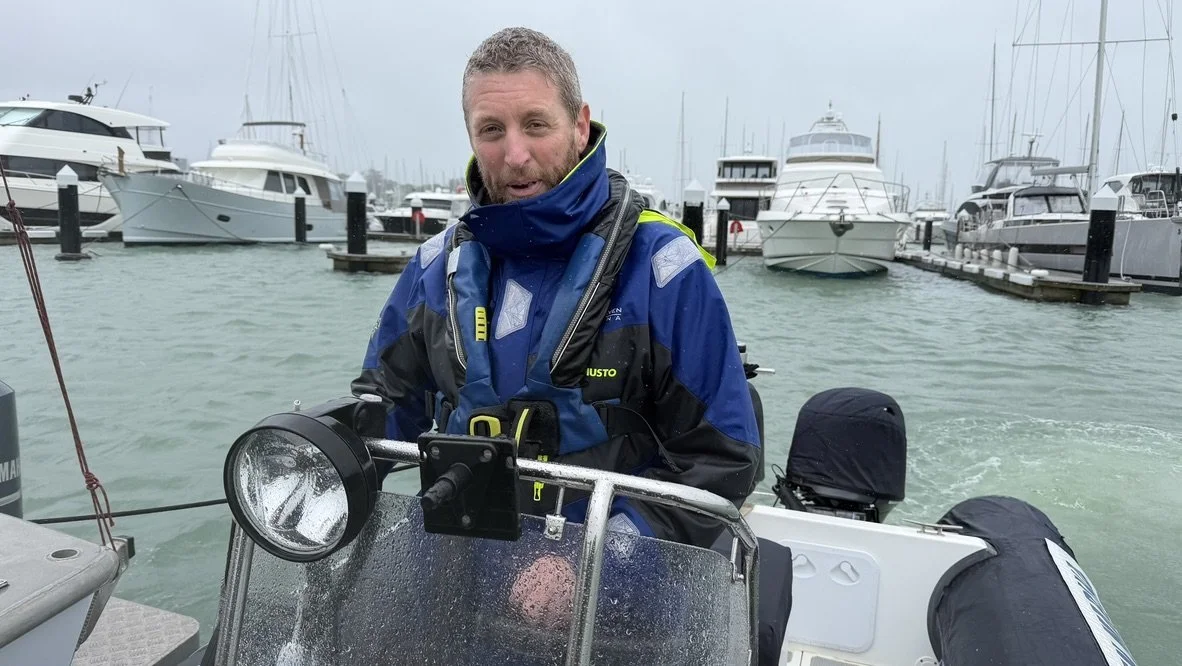
Short answer: no. Maritime NZ puts it plainly: "You do not need a licence to operate a pleasure boat in New Zealand, but you must still follow the rules."
So you can buy a boat on Saturday and drive it out of the marina on Sunday. Nobody checks a card at the ramp. What the law does is make the skipper legally responsible for three things: the boat, everyone on board, and following the Maritime Rules and the local bylaws. "Nobody told me" is no defence, and the fines are real.
The sea runs no licence check either. It does mark your homework.
The rules that apply without a licence
These apply from the first time you turn the key.
- Age. In most regions, including Auckland, you must be 15 or older to drive a boat or jet ski capable of more than 10 knots. Some regions allow a younger driver with an older person right beside the controls. Check the bylaw for the water you are on.
- Speed. 5 knots within 200 metres of the shore or a dive flag, and within 50 metres of another boat or a swimmer.
- Lifejackets. Carry one for everyone on board. In Auckland they must be worn on boats under 6 metres unless the skipper says otherwise, and the council has proposed making them compulsory while underway.
- Alcohol and drugs. Being in charge of a boat while impaired is illegal.
- Communication. Carry a way to call for help that works when wet.
Jet skis: registration, still no licence
No licence is needed for a jet ski either, but in Auckland every jet ski must be registered with the Harbourmaster through Auckland Transport, with the registration number displayed on both sides. Riding an unregistered one is a $200 fine. Everyone on a jet ski must wear a lifejacket, and riders must be 15 or older on anything capable of more than 10 knots. Other regions set their own rules, so check before you tow it somewhere new.
When you do need a qualification
- Getting paid to drive a boat. Commercial work comes under the commercial Maritime Rules, and that means Maritime NZ qualifications.
- Superyacht and tender work. Employers ask for the RYA Powerboat Level 2 to drive tenders, and the RYA Personal Watercraft certificate for the jet skis. Turning up with both makes you a lot more employable on day one.
- Boating overseas. Many countries, especially in Europe, require an International Certificate of Competence (ICC) before you can charter or drive a boat. Your RYA certificate is the route to it, and we can help you get it.
- Hire and insurance. Some hire companies and insurers ask for evidence of training before they hand over the keys or the cover.
So why train if the law doesn't make you?
Because the law covers the paperwork and the water covers everything else. Every year New Zealand loses recreational boaties to accidents that a bit of training would have prevented, and the Transport Accident Investigation Commission has called for compulsory skipper education for exactly that reason.
Training is where you learn the things nobody can hand you in a leaflet: coming alongside a pontoon in a crosswind, getting someone back on board after they have gone over the side, reading what the weather is about to do, and knowing when to stay at the ramp.
How we can help
- RYA Powerboat Level 2. Two days on the water from Westhaven, Auckland, with a maximum of three students per instructor. The internationally recognised powerboat certificate, and the one superyacht employers ask for.
- RYA PWC jet ski course. One day, up to four riders, everything you need to ride safely and the certificate to prove it.
- Own-boat tuition. We come aboard your boat and teach you to handle it, on the water you actually use.